As a supplier of tow dollies, I understand the importance of ensuring the safety of the vehicle being towed. A tow dolly is a great tool for transporting vehicles, but it also comes with certain risks that need to be managed properly. In this blog post, I'll share some key strategies on how to protect the vehicle being towed on a tow dolly.
Pre - tow Inspection
Before hitching a vehicle to a tow dolly, a comprehensive pre - tow inspection is essential. This step can prevent many potential problems during the towing process.
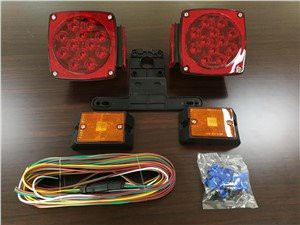
First, check the tow dolly itself. Examine the tires for proper inflation and any signs of wear or damage. Low tire pressure can cause uneven wear and increase the risk of a blowout, while damaged tires are a serious safety hazard. Inspect the frame of the tow dolly for cracks or bends. A damaged frame can compromise the stability of the tow dolly and the vehicle being towed. Also, make sure the lights on the tow dolly are working correctly. This includes brake lights, turn signals, and running lights, which are crucial for communicating with other drivers on the road.
Next, inspect the vehicle being towed. Check the fluid levels, such as oil, coolant, and transmission fluid. Low fluid levels can lead to engine or transmission problems during towing. Inspect the brakes of the towed vehicle. If the vehicle has a malfunctioning brake system, it can be extremely dangerous when being towed. Ensure that the steering system is in good condition. A loose or damaged steering mechanism can cause the towed vehicle to veer off course.
Proper Hitching
Proper hitching is one of the most critical aspects of towing a vehicle on a tow dolly. The wrong hitching can result in the towed vehicle detaching from the tow dolly, leading to a serious accident.
Start by choosing the right hitch for your tow dolly and the towing vehicle. The hitch should be rated to handle the weight of the tow dolly and the vehicle being towed. Make sure the hitch ball is the correct size and is properly installed on the towing vehicle.
When hitching the tow dolly to the towing vehicle, follow the manufacturer's instructions carefully. Connect the safety chains in a criss - cross pattern. This helps to prevent the tow dolly from separating completely from the towing vehicle in case the hitch fails. Attach the electrical connector to ensure that the lights on the tow dolly work properly.
After hitching the tow dolly, check the connection several times to make sure it is secure. Give the tow dolly a gentle tug to test the connection. If there is any movement or looseness, re - check and re - tighten the hitch.
Securing the Towed Vehicle
Securing the vehicle on the tow dolly is vital to prevent it from shifting during transit.
Use high - quality straps to secure the wheels of the towed vehicle to the tow dolly. Make sure the straps are tightened properly. A loose strap can allow the vehicle to move, which can cause damage to the vehicle and the tow dolly. You can use ratchet straps for a more secure hold. Place the straps over the tires and tighten them until they are snug.
In addition to wheel straps, consider using additional tie - downs for the body of the vehicle. This can provide extra stability, especially when towing on rough roads or at high speeds. Make sure these tie - downs are attached to sturdy points on the vehicle's frame.
Braking System
A reliable braking system is crucial for the safety of the towed vehicle.
Some tow dollies come with their own braking systems. For example, you can consider a Tow Dolly with Brake. These brakes can help to slow down the tow dolly and the vehicle being towed, reducing the strain on the towing vehicle's brakes.
If the tow dolly does not have its own brakes, you may need to install an auxiliary braking system on the towed vehicle. This system can be activated when the towing vehicle applies its brakes, providing additional stopping power.


Driving Considerations
When driving with a tow dolly and a towed vehicle, there are several important driving considerations.
First, adjust your driving style. Towing a vehicle on a tow dolly increases the overall length and weight of your vehicle combination. This means you need to allow more time and distance to stop. Increase your following distance from the vehicle in front of you.
Be aware of your speed. Driving too fast can increase the risk of instability and make it more difficult to control the towed vehicle. Follow the speed limits and drive at a speed that is appropriate for the road conditions.
When making turns, take wider turns than normal. The towed vehicle will follow a different path than the towing vehicle, so you need to give it enough space to maneuver.
Weather and Road Conditions
Weather and road conditions can have a significant impact on the safety of the vehicle being towed on a tow dolly.
In wet or snowy conditions, the roads are more slippery. This can make it more difficult to stop and control the towed vehicle. Reduce your speed and increase your following distance. If possible, avoid towing in extreme weather conditions.
On rough roads, such as unpaved or pothole - filled roads, the towed vehicle can be jolted and shaken. This can cause damage to the vehicle and the tow dolly. Slow down and try to avoid large potholes.
Regular Maintenance
Regular maintenance of both the tow dolly and the towing vehicle is essential for protecting the towed vehicle.
For the tow dolly, perform regular maintenance tasks such as lubricating the moving parts, checking the wheel bearings, and tightening the bolts. This can help to ensure that the tow dolly is in good working condition.
For the towing vehicle, keep up with the regular maintenance schedule. This includes oil changes, tire rotations, and brake inspections. A well - maintained towing vehicle can provide better performance and safety when towing a vehicle on a tow dolly.
Choosing the Right Tow Dolly
Choosing the right tow dolly for your needs is also an important factor in protecting the towed vehicle.
If you are towing a car, a Car Tow Dolly is a suitable option. These tow dollies are designed specifically for towing cars and are equipped with features that can help to protect the vehicle during transit.
Consider the weight capacity of the tow dolly. Make sure it can handle the weight of the vehicle being towed. If the tow dolly is overloaded, it can cause damage to the tow dolly and the vehicle, and it can also be a safety hazard.
In conclusion, protecting the vehicle being towed on a tow dolly requires a combination of proper pre - tow inspection, correct hitching, secure vehicle attachment, a reliable braking system, appropriate driving, consideration of weather and road conditions, regular maintenance, and choosing the right tow dolly. By following these steps, you can ensure the safety of the towed vehicle and have a smooth and worry - free towing experience.
If you are interested in purchasing a tow dolly or have any questions about towing safety, feel free to contact us for a detailed discussion. We are always ready to assist you in finding the best tow dolly solution for your needs.
References
- Towing Safety Manuals from Various Manufacturers
- Automotive Towing Guidelines and Best Practices